Most airlines that accept pets in the cabin have two limits: a maximum weight, usually for dog and carrier together, and a maximum carrier size that fits under the seat in front of you. Your dog stays in the carrier for the whole flight and counts as (part of) your hand luggage on many airlines.
The 8 kg rule
Most European airlines, including Lufthansa, Swiss, KLM, Air France and Turkish Airlines, cap dog plus carrier at 8 kg (17.6 lb). A light soft-sided carrier weighs 1–2 kg, which leaves roughly 6.5 kg (14 lb) for the dog. That's the rule this site uses for its ✈ cabin labels, because a dog that meets it can fly with almost any airline that allows pets in the cabin.
North American airlines are often more relaxed about weight. Delta, United, Alaska, Southwest and Air Canada publish no practical cabin weight limit, but the dog must fit in a carrier that slides under the seat, and it must be able to stand up and turn around inside. Air Canada, for example, only accepts soft-sided carriers, and on most of its Airbus jets the space is about 43 × 40 × 20 cm. In practice that still means a dog under about 9 kg (20 lb). American Airlines caps dog and carrier at 20 lb (9.07 kg).
Airline rules at a glance
| Airline | Pets in cabin | Weight limit | Max carrier size | Notes | Source |
|---|---|---|---|---|---|
| Lufthansa | Yes | 8 kg (18 lb) incl. carrier | 55 × 40 × 23 cm, soft-sided | Up to 2 animals per passenger | Airline site |
| Swiss | Yes | 8 kg (18 lb) incl. carrier | 55 × 40 × 23 cm | Dogs and cats only | Airline site |
| Austrian Airlines | Yes | 8 kg (18 lb) incl. carrier | 55 × 40 × 23 cm, soft-sided | Dogs and cats only | Airline site |
| KLM | Yes | 8 kg (18 lb) incl. carrier | 46 × 28 × 24 cm | Economy, or Business within Europe | Airline site |
| Air France | Yes | 8 kg (18 lb) incl. carrier | Must fit under the seat | Airline site | |
| Turkish Airlines | Yes | 8 kg (18 lb) incl. carrier | 40 × 30 × 23 cm, soft-sided | One carrier per passenger | Airline site |
| Air Canada | Yes | No weight limit | Soft-sided only; size depends on aircraft (e.g. 43 × 40 × 20 cm) | The carrier size, not weight, is the real limit | Airline site |
| American Airlines | Yes | 9.07 kg (20 lb) incl. carrier | Must fit under the seat; size depends on aircraft | 20 lb incl. carrier | Airline site |
| Delta | Yes | No weight limit | Must fit under the seat | Dog must stand and turn around in the carrier | Airline site |
| United | Yes | No weight limit | About 18 × 11 × 11 in, soft-sided | Dog must stand and turn around in the carrier | Not confirmed* |
| Alaska Airlines | Yes | No weight limit | 17 × 11 × 9.5 in, soft-sided | Airline site | |
| Southwest | Yes | No weight limit | 18.5 × 8.5 × 13.5 in | Cabin only; no pets in the hold | Airline site |
| British Airways | No | – | – | Assistance dogs only; pets fly as cargo | Not confirmed* |
| Ryanair | No | – | – | Assistance dogs only | Not confirmed* |
| easyJet | No | – | – | Assistance dogs only | Not confirmed* |
| Qantas | No | – | – | Assistance dogs only; pets fly with Qantas Freight | Not confirmed* |
Last reviewed November 2026 against each airline's own pet policy page. * We could not confirm this on the airline's own website; it comes from travel guides. Rules change and often differ by route, aircraft and cabin class, so always confirm with the airline before booking.
Which breeds fit?
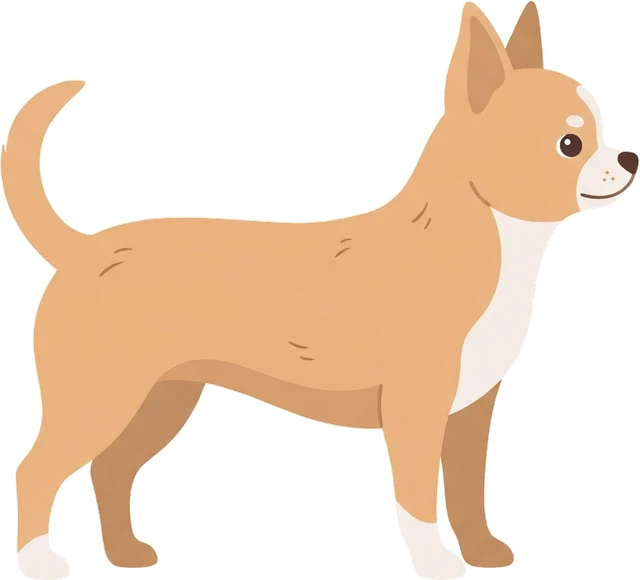
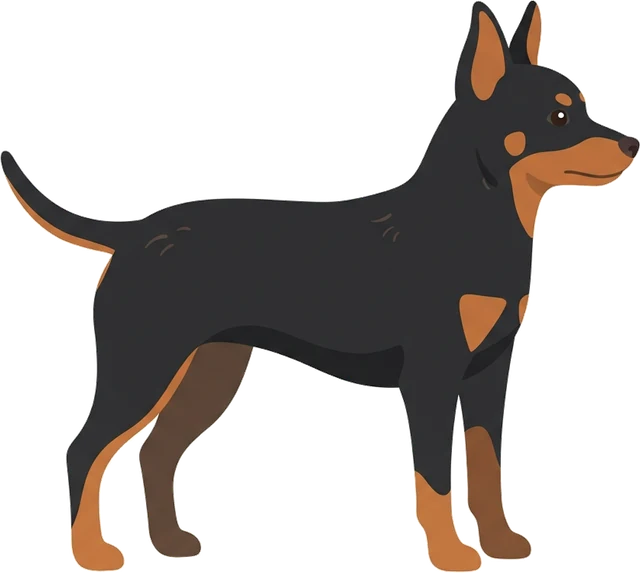
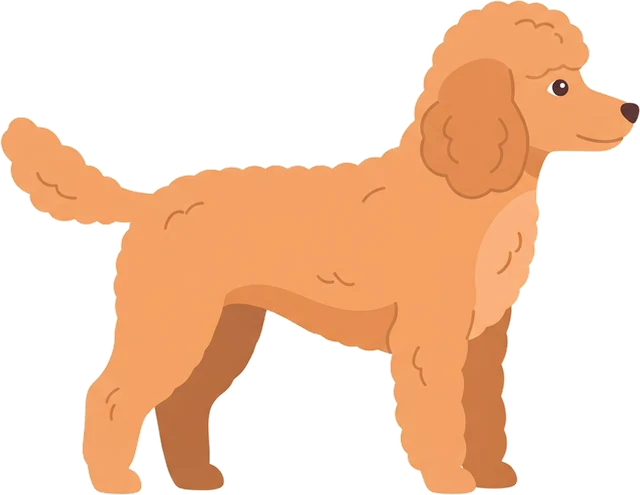
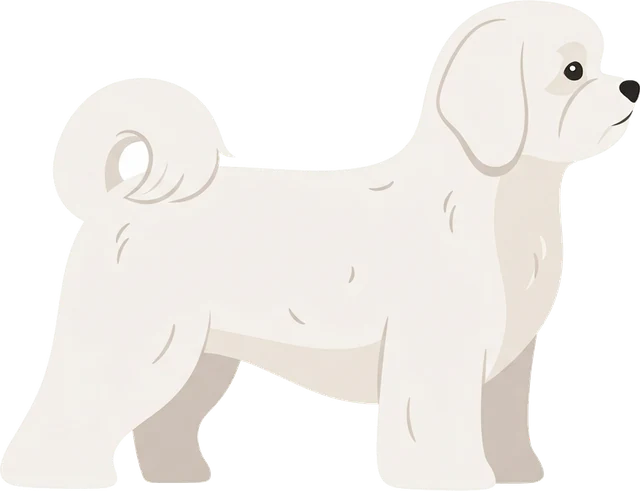
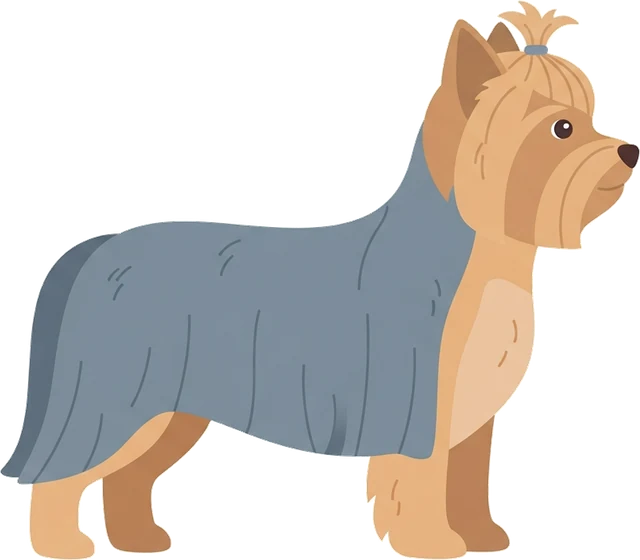
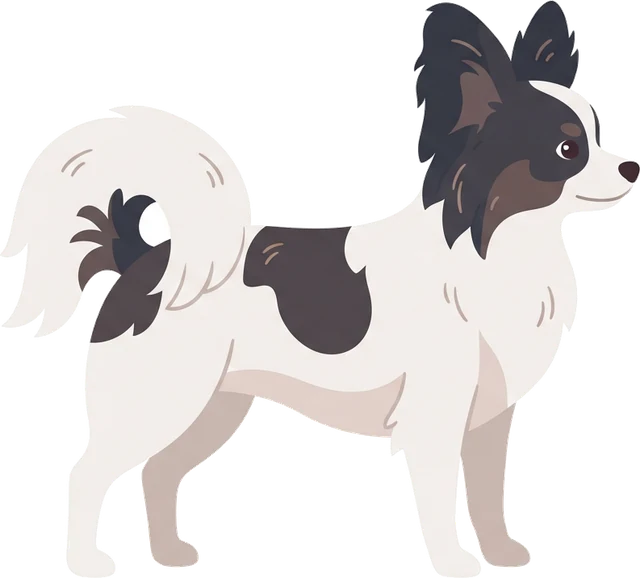
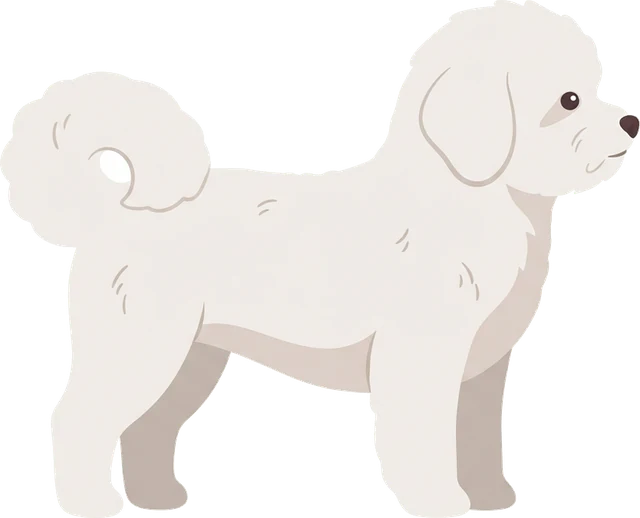
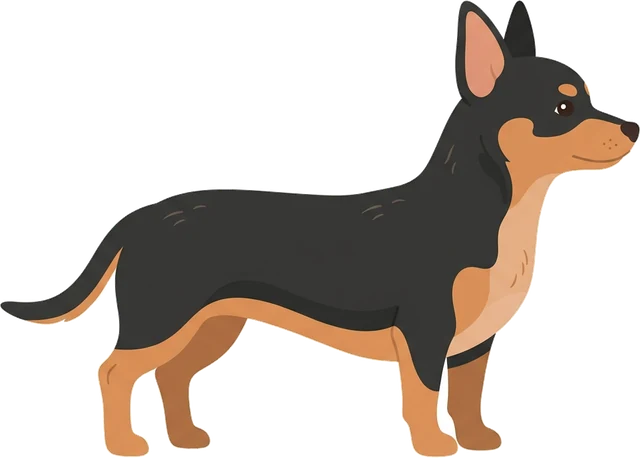
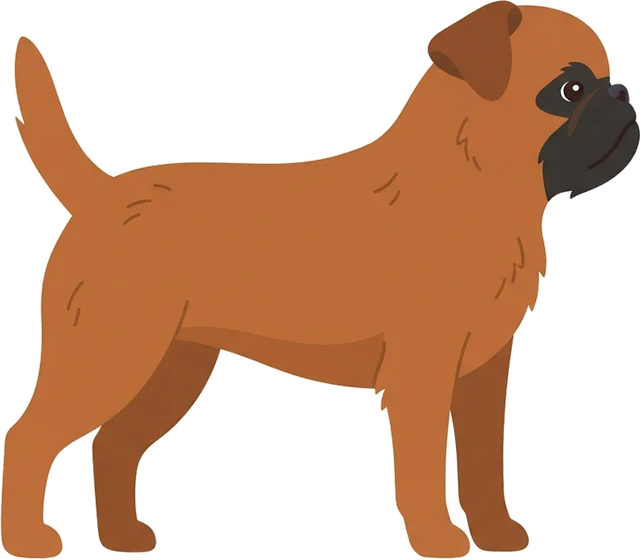
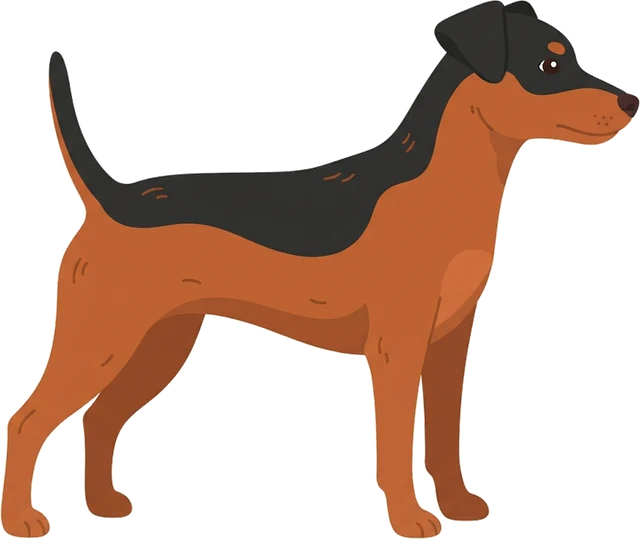
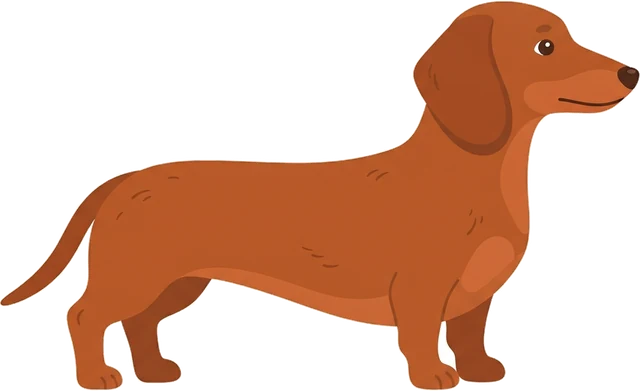
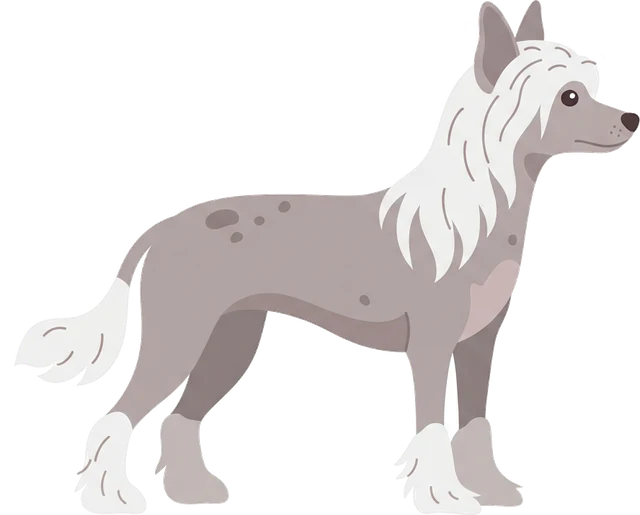
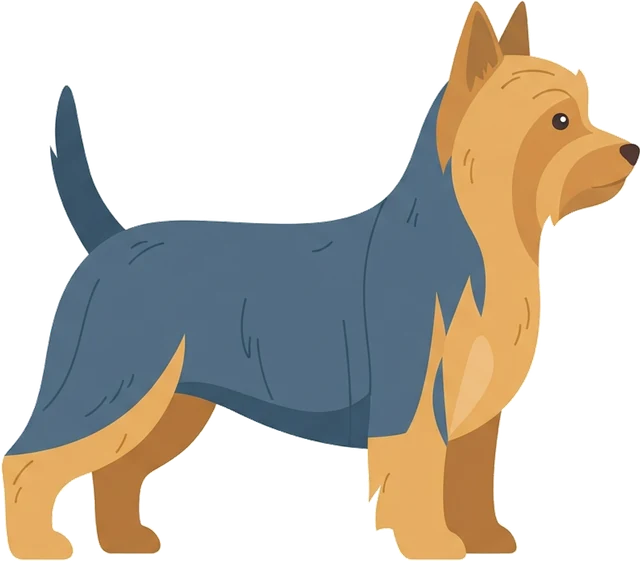
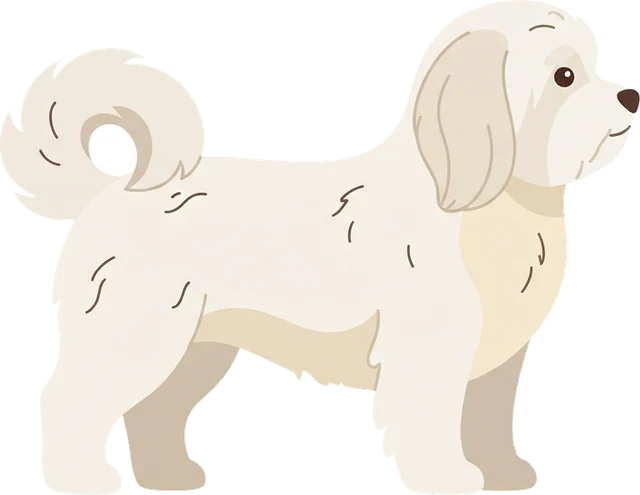
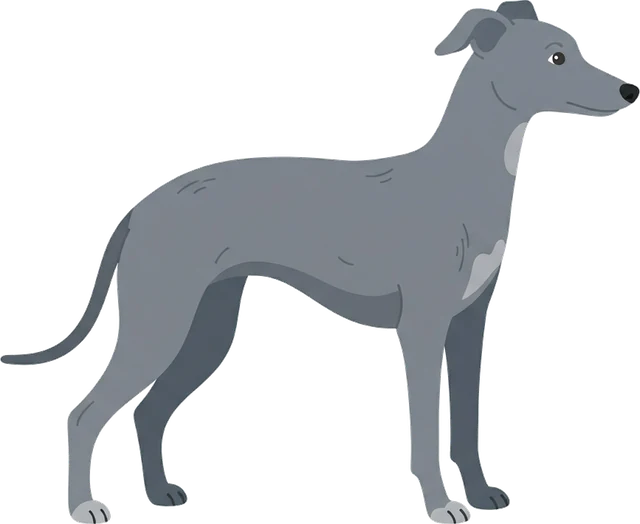
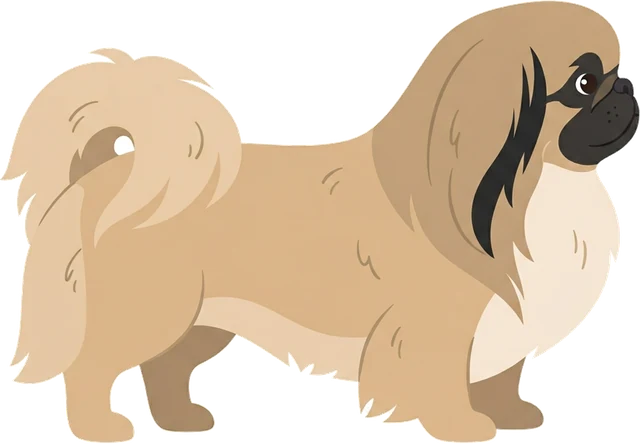
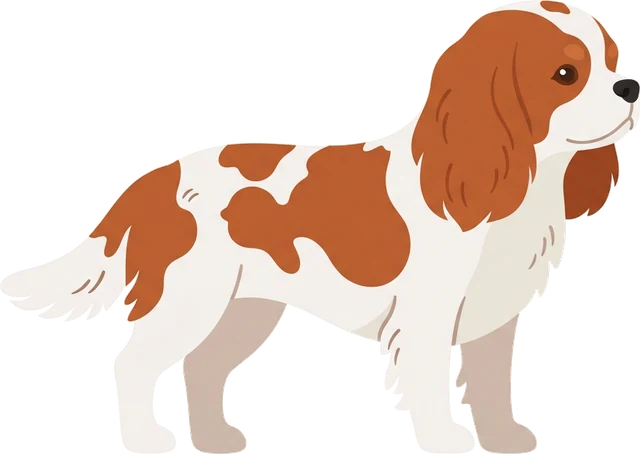
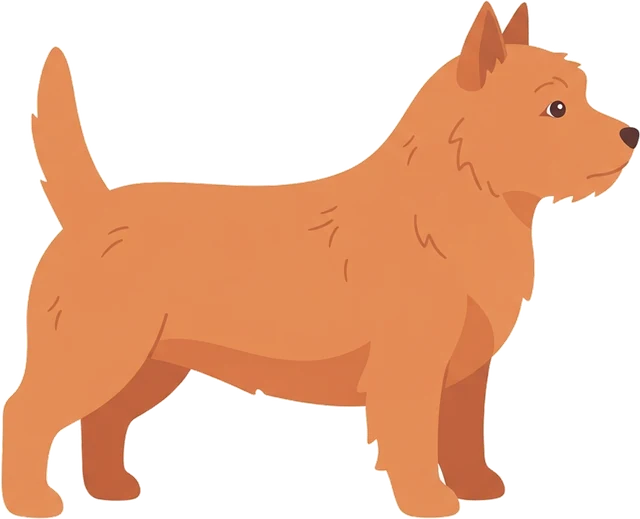
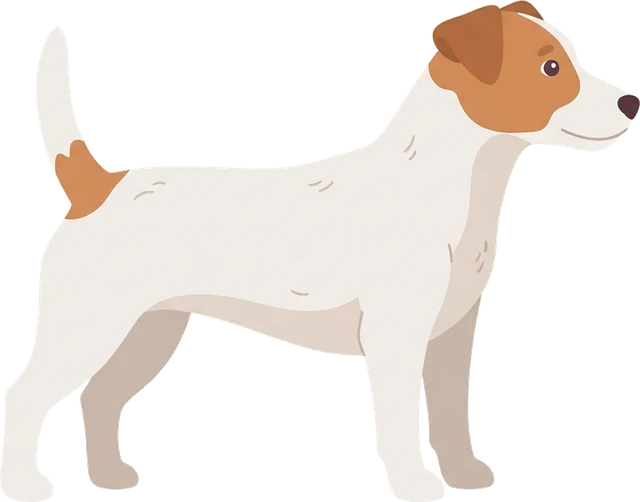
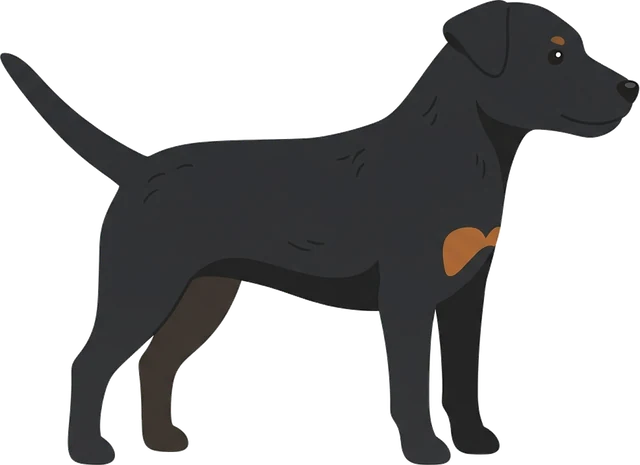
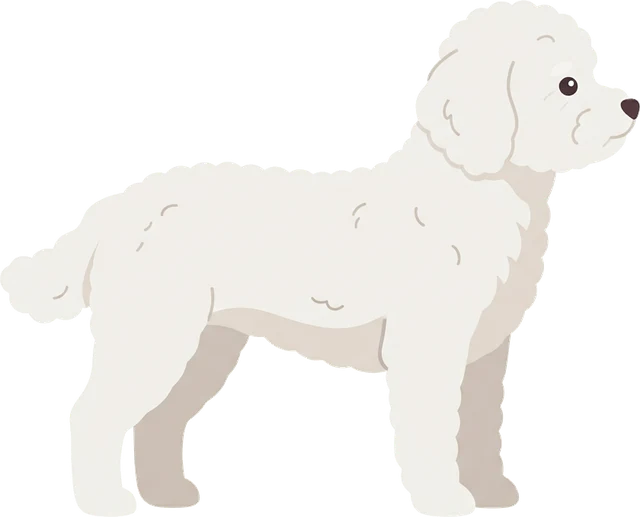
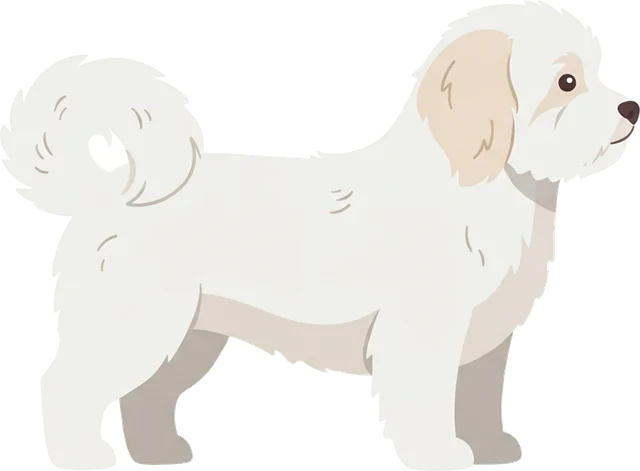
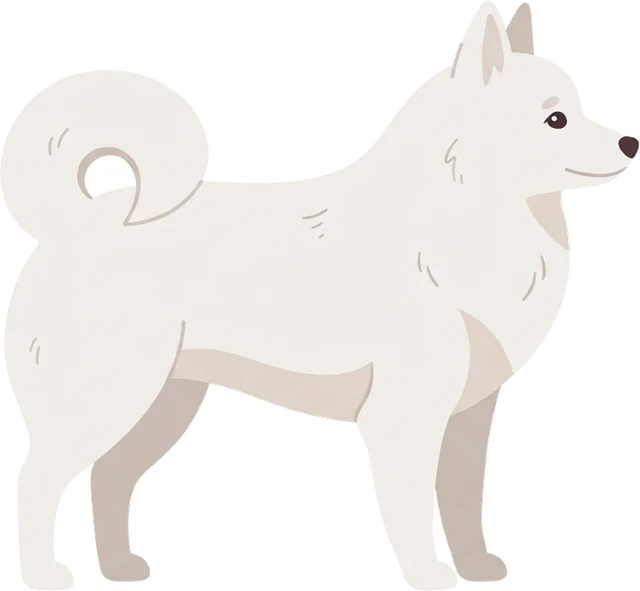
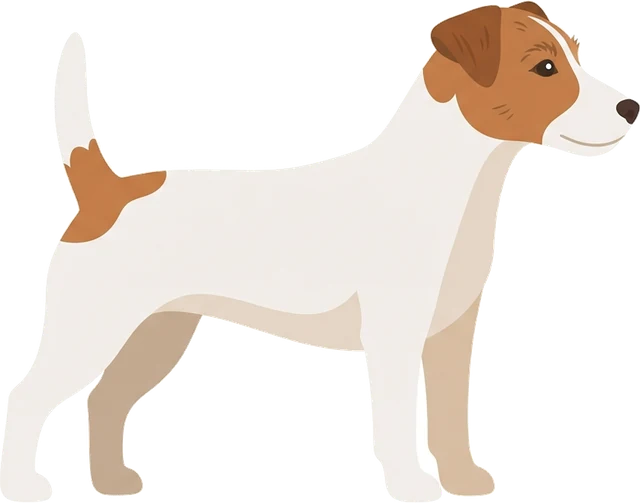
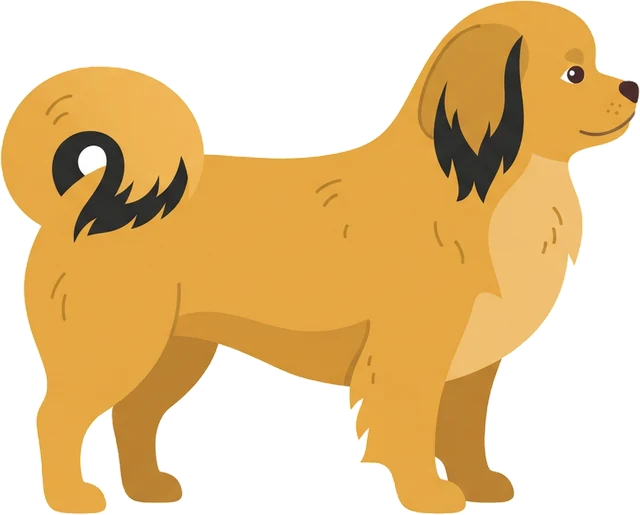
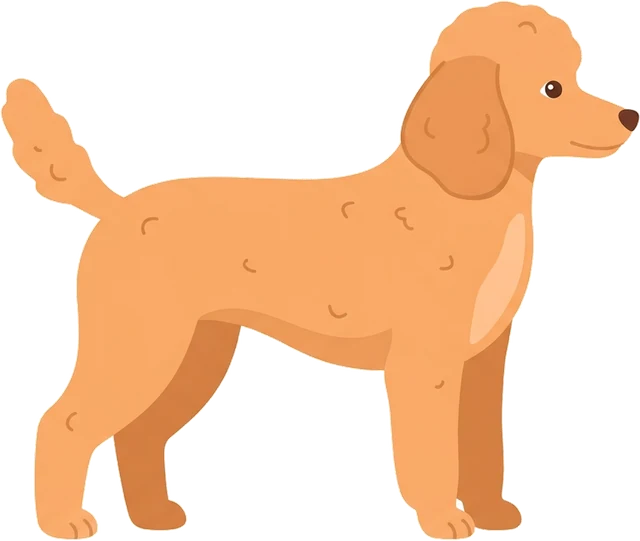
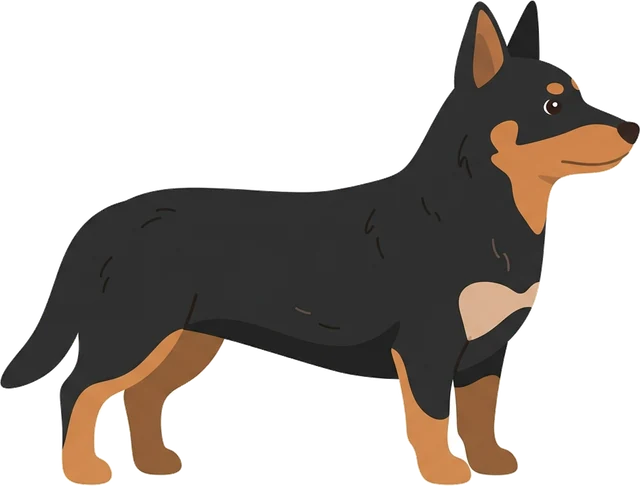
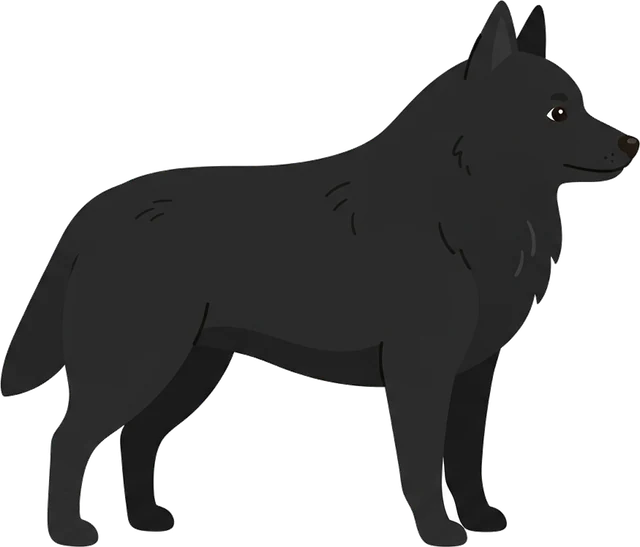
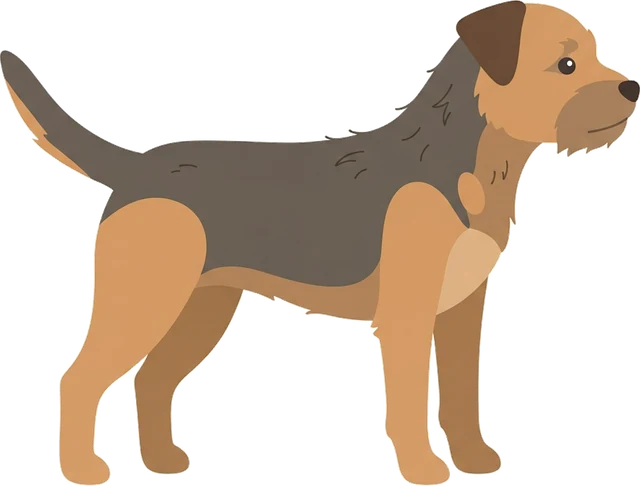
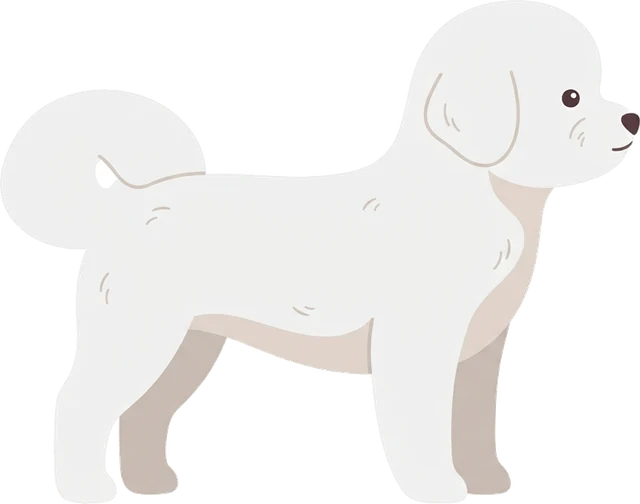
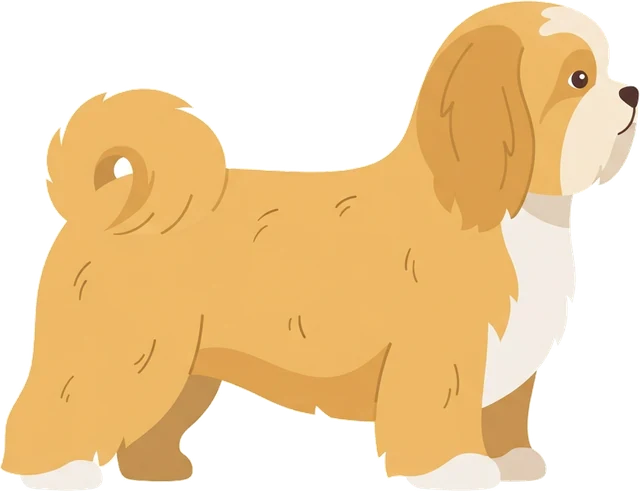
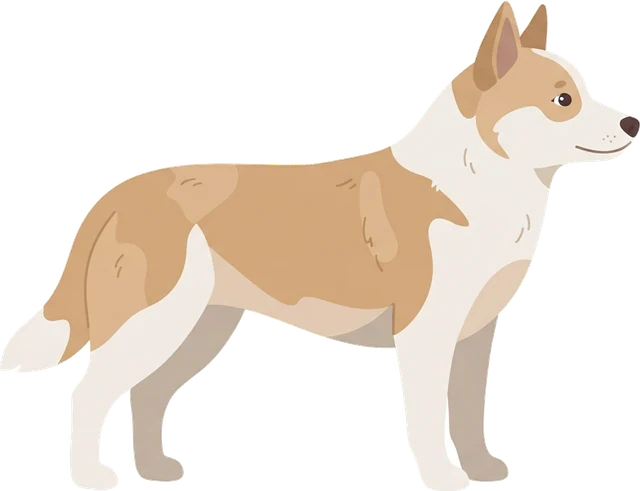
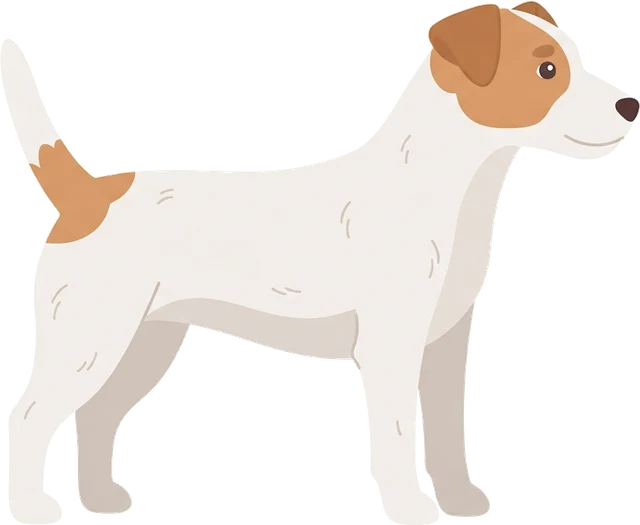
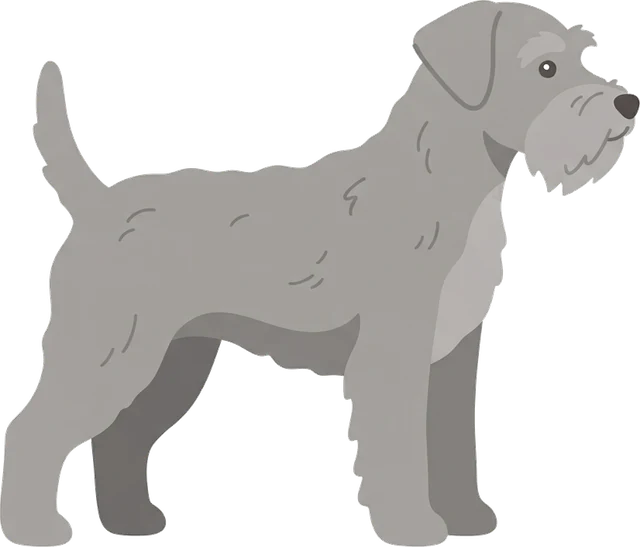
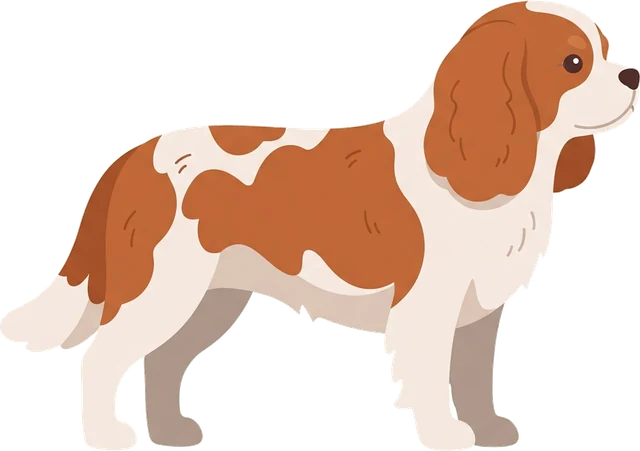
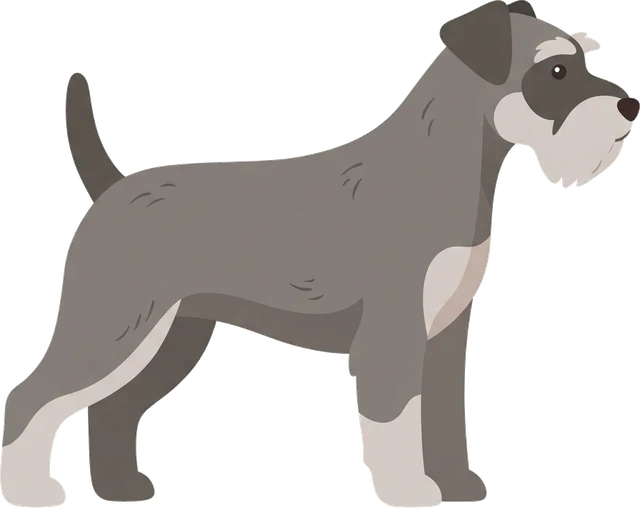
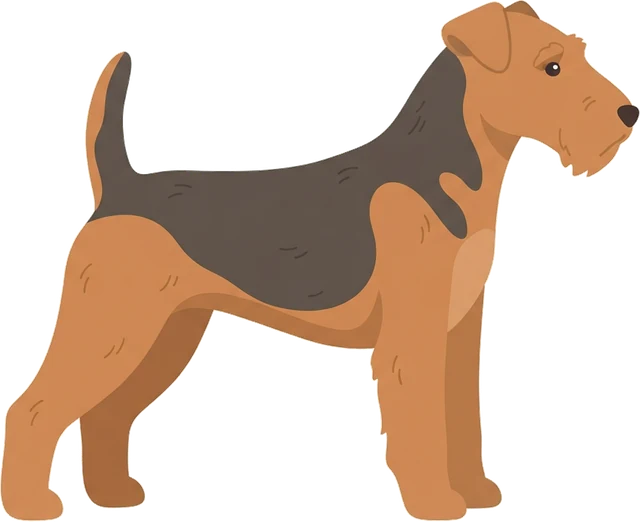
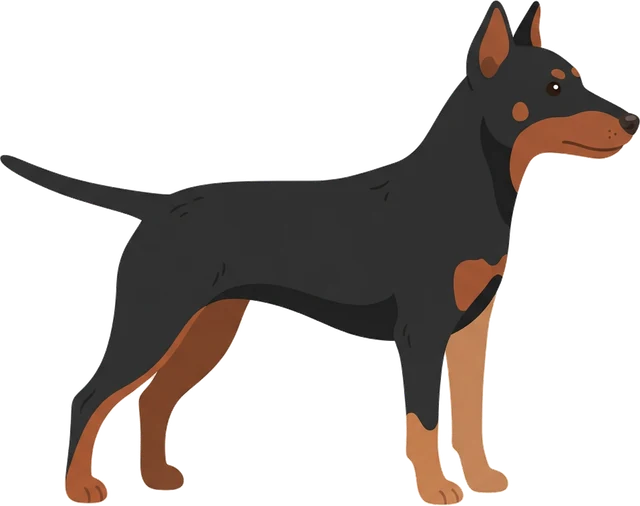
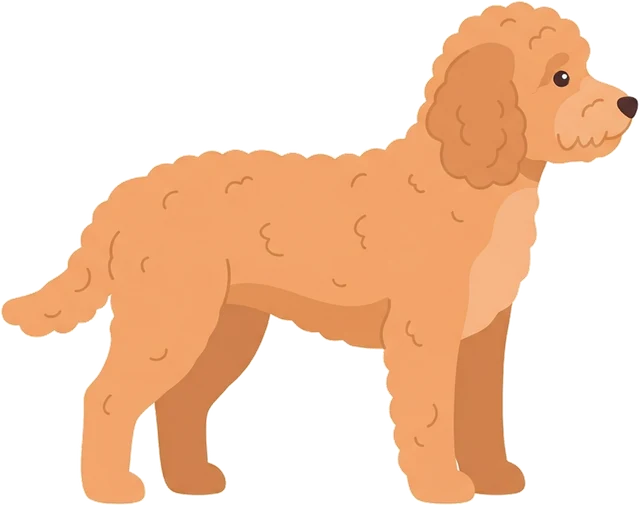
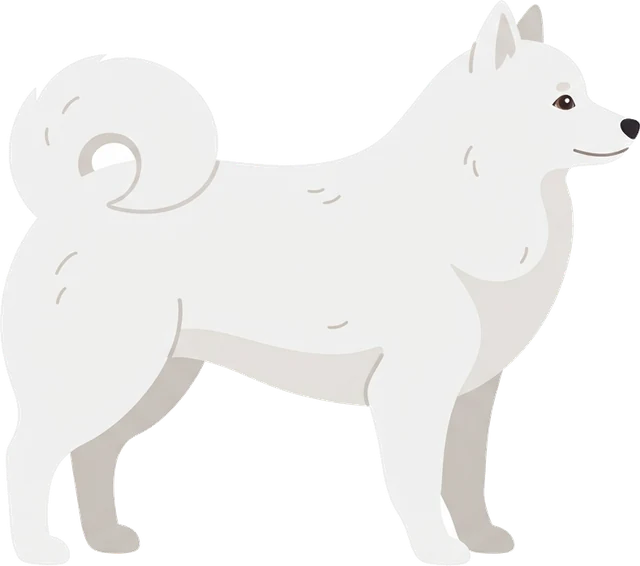
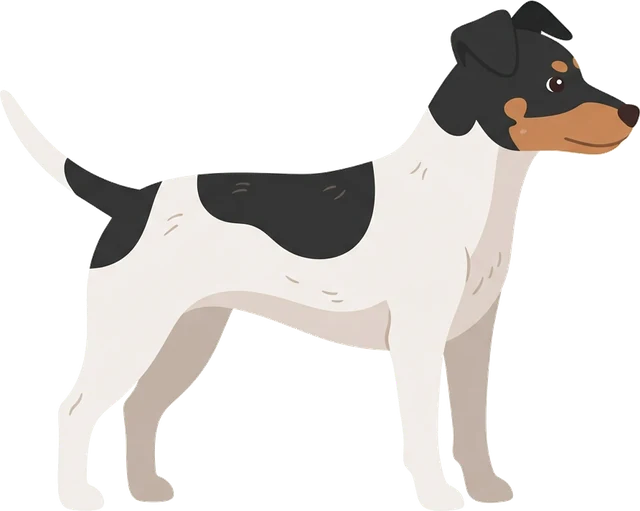
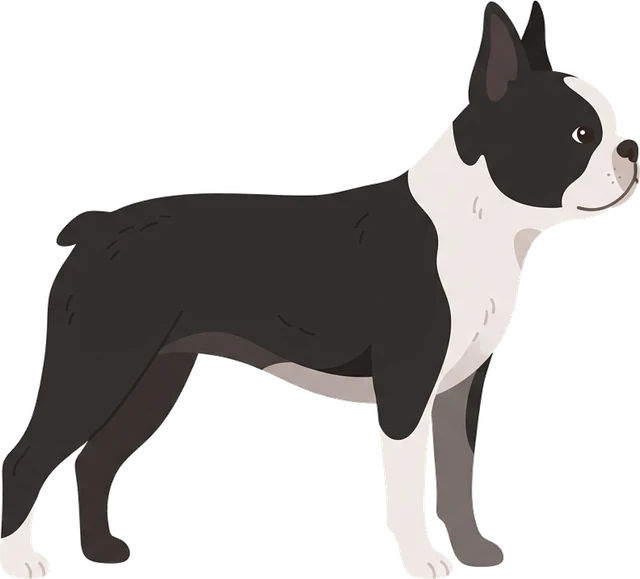
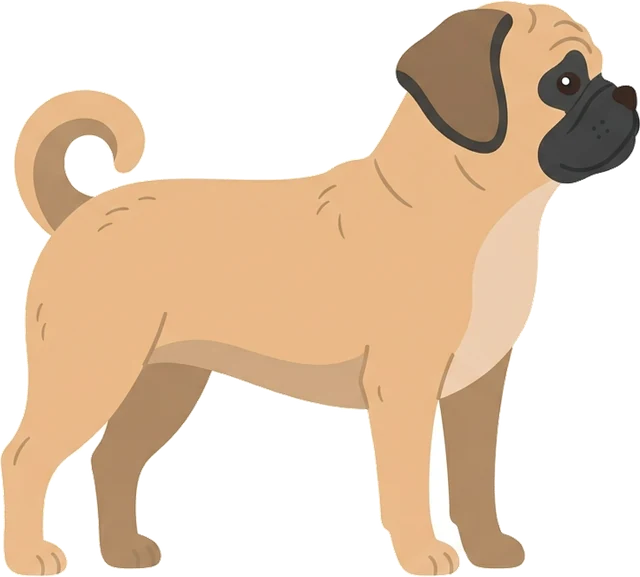
28 breeds on this site stay at or under 6.5 kg (14 lb) across their whole weight range, and 28 more do if the individual dog is on the lighter side.
A breed's range is only a guide: weigh your own dog. Use the airline cabin calculator to check a specific weight against every airline above.
Fit across their whole weight range (28)
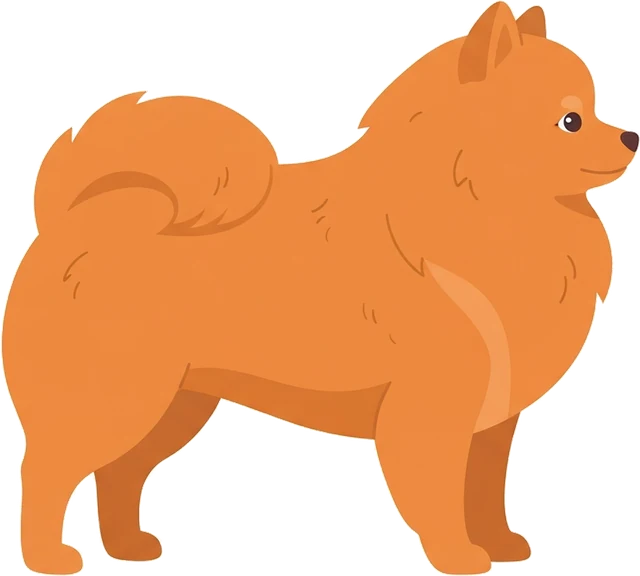
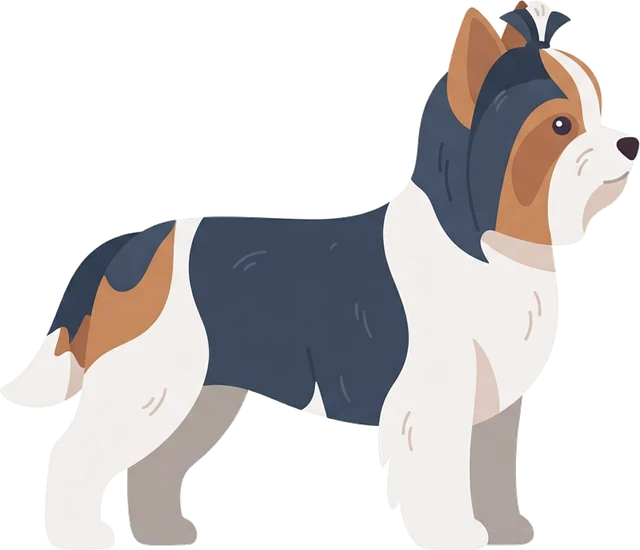
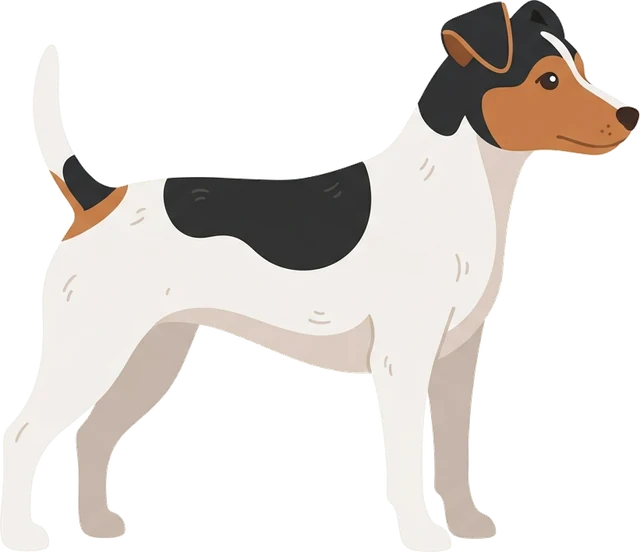
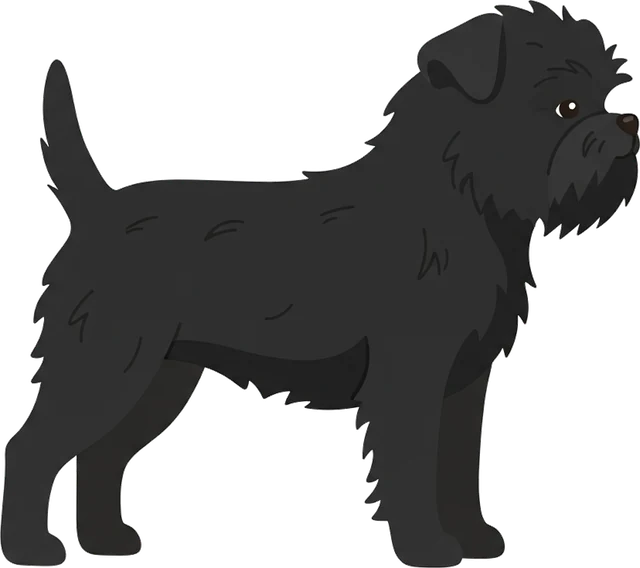
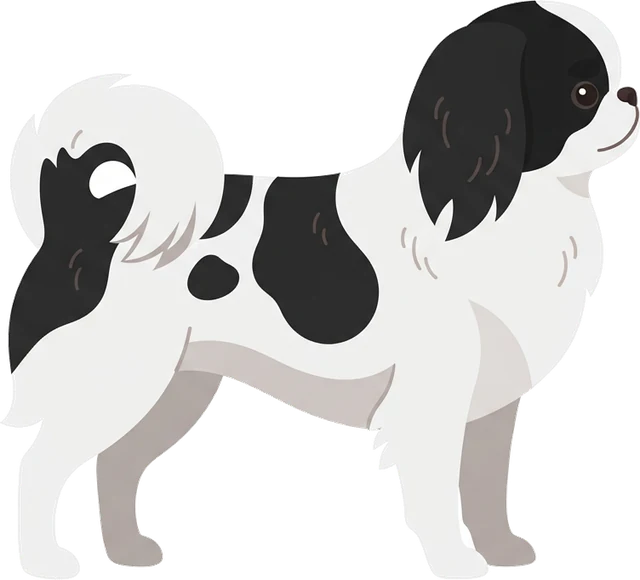
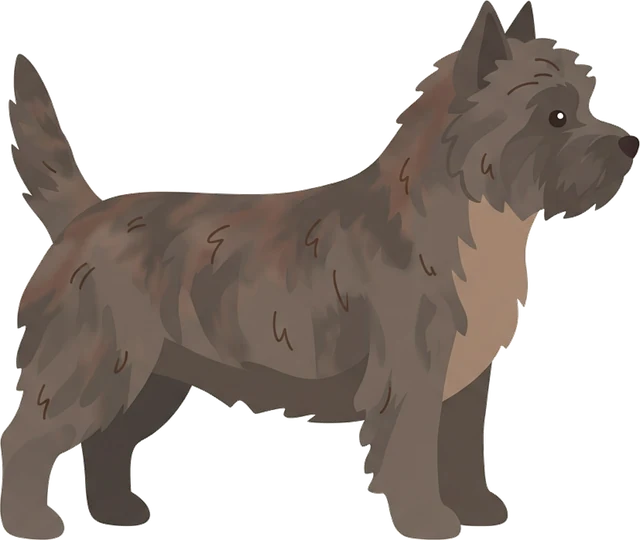
Fit if the dog is on the lighter side (28)

Before you book
- Book the pet early. Most airlines allow only a few pets per flight, often 1–2 per cabin class.
- Check the carrier size for your aircraft. Under-seat space differs between planes and seat rows. Bulkhead and some exit-row seats have no under-seat storage.
- Check entry rules for your destination. International trips usually need a microchip, rabies vaccination and a pet passport or health certificate, sometimes weeks in advance.
- Practise with the carrier. Let your dog sleep in it at home for a few weeks before the trip.
- Skip the big meal. Feed a light meal about four hours before departure and offer water until boarding.
Health first
Ask your vet whether your dog is fit to fly, especially if it is very young, old, pregnant, unwell or a snub-nosed breed. Don't give sedatives unless your vet prescribes them; many airlines refuse sedated animals.
Too big for the cabin?
Larger dogs fly in a heated, pressurised part of the hold, booked as checked baggage or as cargo. Some airlines don't carry snub-nosed (brachycephalic) breeds such as Pugs, French Bulldogs and Bulldogs in the hold at all, because they are prone to breathing problems. If your dog is close to the limit, a trip by car, train or ferry may be kinder.